
Why Live Dealer Games Are Becoming More Popular on Mobile
Mobile technology has changed what people expect from online entertainment. Video that once required a desktop computer and a fast wired connection can now be delivered through smartphones, tablets, and responsive browser interfaces.
Live casino providers have used those advances to bring real-time tables into a format that can be accessed from many locations.
Mobile use is a major factor in why live dealer games are becoming more popular. Evolution reported that mobile represented 73% of its revenue in 2025, up from 71% during the previous year.
Its platform was designed to deliver live casino content through major device types while adapting the video format to the user’s available capacity.
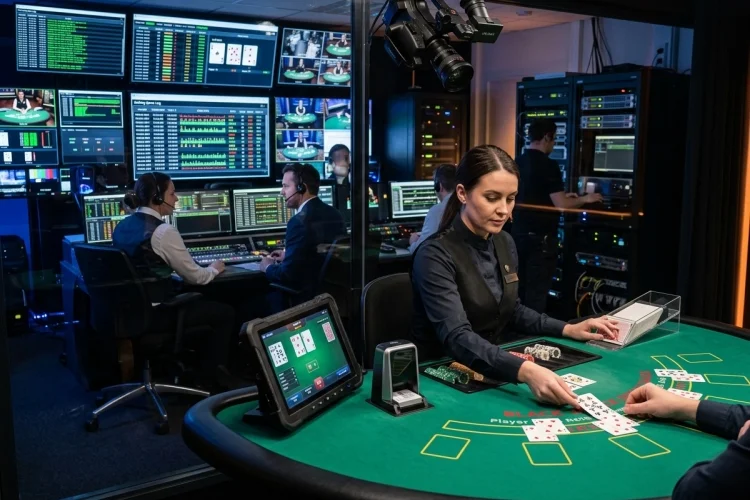
Mobile access is only part of the story. High-definition streaming, physical-result recognition, responsive betting interfaces, studio availability, and real-time communication must all work together.
When one element fails, the experience can become delayed or confusing. When they function smoothly, users can follow a live table almost as easily as any other mobile video service.
Improved Streaming Makes Live Play Practical
A live table requires continuous video rather than a short animation that can be downloaded in advance. The stream must show the dealer, equipment, betting period, and final result with minimal interruption.
Modern platforms use video compression and adaptive delivery to match different screen sizes and connection speeds.
Evolution states that its video-coding technology is intended to provide HD streaming or another format suited to the user’s capacity. The company reported 99.90% system availability in 2025, excluding scheduled maintenance.
A stable stream is especially important because wagers are time-sensitive. Delays can affect whether a bet is accepted before the table closes.
OCR Connects the Studio to the Interface
The camera stream is only the visible part of a live dealer system. Software must also recognize the physical result and use it to settle digital wagers accurately.
For example, optical character recognition can read cards, while sensors may track roulette outcomes or other equipment. GLI explains that these technologies translate physical dealer transactions into data that can be processed by the online system.
The interface can then display cards, results, statistics, and payouts in a mobile-friendly form. This combination allows the physical and digital portions of the game to remain synchronized.
Responsive Interfaces Simplify Betting
A desktop screen has enough room for the dealer video, betting layout, game history, chat, rules, and account information. A smartphone must present the same elements within a much smaller area.
Mobile live tables commonly use collapsible menus, zoomable betting areas, portrait and landscape modes, and controls designed for touch input.
Evolution’s earlier mobile implementation included live chat, multiple viewing options, and automatic switching between portrait and landscape orientation.
Good design reduces accidental selections and makes the financial commitment easier to understand. In regulated British markets, remote systems must clearly display stakes and relevant betting information before the customer commits to a wager.
Live Tables Are Available Beyond Traditional Hours
A physical casino operates in one location, and individual tables may open only when sufficient staff and customers are present. Online providers can stream from multiple studios and serve several time zones.
Large suppliers maintain studios in different countries and often provide games around the clock. Pragmatic Play, for example, describes live roulette streamed from its Bucharest studio as available on desktop and mobile 24 hours a day.
This availability removes a significant barrier. Users no longer need to travel or arrange their schedule around a venue’s opening hours.
Mobile Does Not Remove the Social Element
Moving to a small screen does not necessarily turn live casino into an isolated experience. Chat systems can allow users to communicate with the presenter and, where enabled, other participants.
Professional dealers announce betting periods, explain results, and maintain the pace of the table. The combination of real-time video and chat distinguishes the format from automated mobile table games.
However, chat should not be mistaken for personal advice. Dealers do not control the cards or wheel outcomes and cannot recommend a method that guarantees profit.
Speed and Variety Appeal to Different Preferences
Live lobbies may contain standard, speed, VIP, multilingual, and game-show tables. Speed formats shorten some procedures, while traditional tables offer a more relaxed presentation.
Pragmatic Play markets faster roulette, blackjack, and baccarat versions for players who prefer shorter rounds. Providers also offer game shows, branded studios, and localized variants alongside the casino classics.
This choice helps live gaming reach several audiences. Someone interested in traditional baccarat may select a classic table, while another user may prefer a presenter-led wheel game.
Regulation and Testing Remain Essential
A polished mobile stream does not prove that a live table is properly regulated. Players should verify both the operator and the jurisdiction under which the studio is offered.
UK standards require live dealer operations to be independently auditable, with controls covering dealer training, surveillance, secure areas, equipment, and operational integrity. GLI testing can additionally examine synchronization, staffing, premises, and technical systems.
These procedures are particularly important when physical events and remote betting software must remain aligned in real time.
Mobile Convenience Can Increase Risk
Instant access may encourage longer or more frequent sessions. A person can join another table quickly without the natural stopping points created by travel, venue closing times, or leaving a casino floor.
The UK Gambling Commission identifies tools such as financial limits, reality checks, and time-outs as ways to manage online play. Since October 2025, British operators have also been required to prompt customers to consider a financial limit before their first deposit.
Using these controls before opening a live table is more effective than making decisions after losses have occurred.
Better streaming, responsive interfaces, OCR technology, real-time chat, and extended studio availability help explain the rise of mobile live dealer games. Users can watch physical cards and wheels while placing wagers through an interface designed for the screen in their hands.
The same accessibility that makes live casino convenient can also increase gambling intensity. A stable connection and professional presenter do not improve the underlying odds or guarantee a positive result.
Verify licensing, understand the table limits, and set account-level spending and time controls before playing. Keep the phone away when a session ends rather than reopening the game to recover a loss.